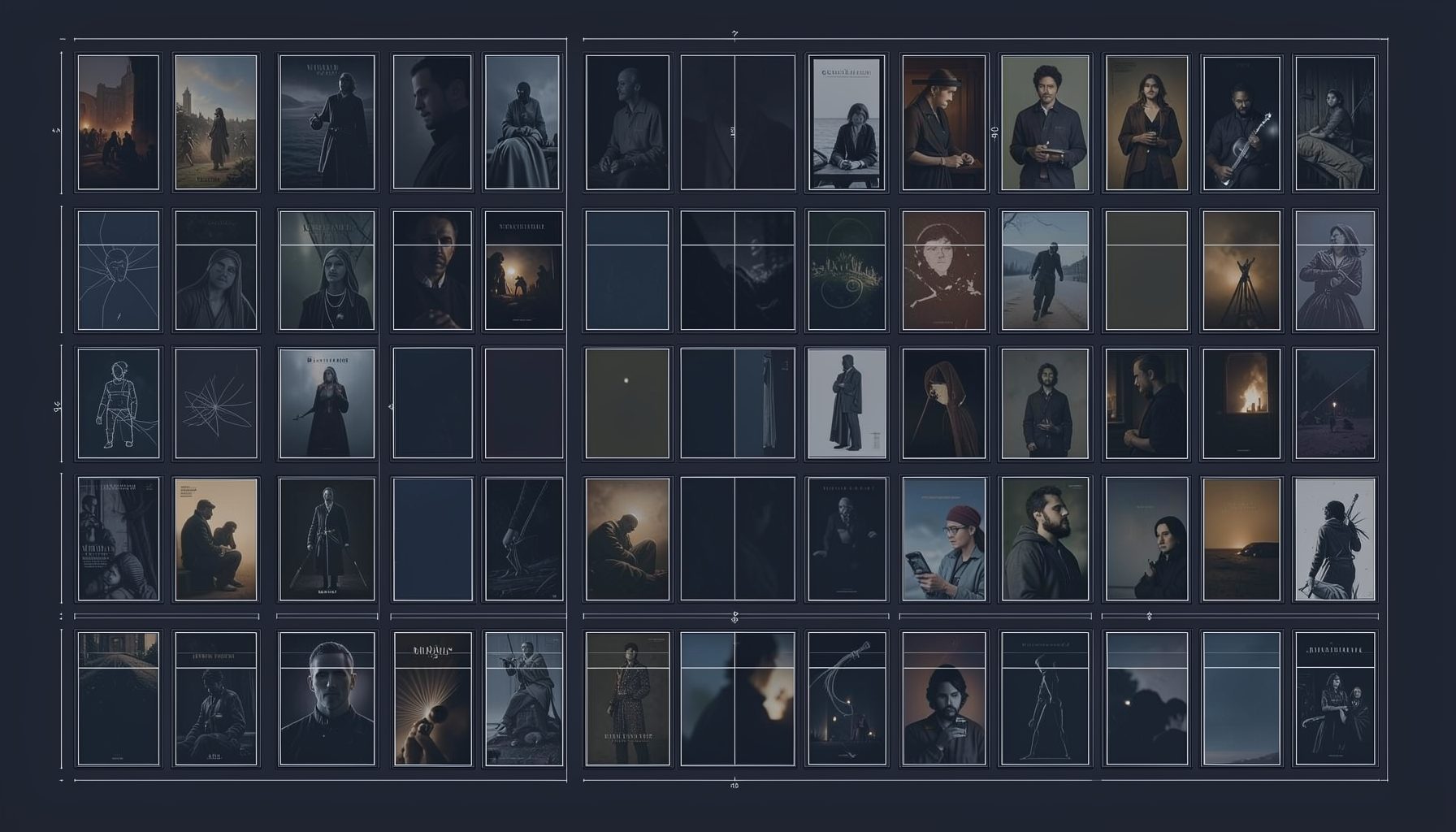
Behind the scenes of a themed erotic photo shoot
A successful erotic photo shoot begins long before the camera is switched on. The strongest sets are built around a clear mood, a carefully chosen location, and a shared understanding between everyone involved. When those elements work together, the final images feel intentional rather than improvised.
For an adult platform such as ШпилиВили, presentation matters as much as the photographs themselves. Viewers often browse by genre, visual style, rating, and community response, so a collection needs a recognizable identity from its first image to its last. A romantic bedroom story, a vintage-inspired album, and a dramatic BDSM concept each require different creative decisions.
The process also depends on trust. Every participant must be an adult, fully informed about the concept, and comfortable with the agreed boundaries. Consent, privacy, and respectful communication are the foundation of an intimate production, regardless of whether the finished work is soft and sensual or visually daring.
Starting with a visual concept
A theme should be specific enough to guide the shoot without making every frame look identical. Instead of choosing a broad label such as “sensual,” a team might develop a story around a late-night hotel room, a retro dressing table, a private dance rehearsal, or a sunlit summer apartment. The setting, wardrobe, color palette, and pose direction can then support that idea.
Mood boards are useful at this stage. They may include references to lighting, textures, architecture, makeup, and editorial photography. Historical references can add depth, especially when the production draws on a particular era. A mid-2000s archive can help the creative team study period styling, camera treatment, and the visual language associated with older erotic publications.
The mood board is not a script. It is a shared vocabulary that helps the photographer, model, stylist, and producer make consistent decisions. It should also identify what the concept does not include, preventing last-minute pressure to add scenes or poses that were never agreed upon.
Building the team and boundaries
Even a small production benefits from clear responsibilities. The photographer manages composition and camera settings, while a stylist handles clothing, accessories, and continuity. A makeup artist may control the overall finish, and a producer or trusted assistant can monitor timing, releases, refreshments, and privacy.
Before the shoot, everyone should review the schedule and the boundaries in plain language. This conversation can cover wardrobe changes, physical contact, implied nudity, props, publishing destinations, and the right to pause or stop. Written model releases should specify how the images may be used, including whether they can appear in public galleries, subscription areas, promotional posts, or adult websites.
Privacy deserves practical attention. Files should be transferred through secure storage, devices should be access-protected, and behind-the-scenes images should never be shared casually. If the model uses a stage name, the production records should keep legal and public identities separate.
Designing the location and styling
A location can communicate as much as a pose. A plain room may become cinematic through a velvet curtain, a bedside lamp, a mirror, or carefully placed fabric. Natural interiors often feel intimate, while studios provide greater control over sound, privacy, and lighting. The best choice depends on the story and on how much movement the concept requires.
Styling should create visual continuity across the album. Select a limited palette and prepare backup garments in case of stains, wardrobe malfunctions, or unexpected lighting changes. Accessories such as gloves, stockings, jewelry, books, flowers, or vintage luggage can reinforce a theme without overwhelming the subject.
Props should be safe, clean, and relevant. Anything that could cause discomfort needs to be discussed in advance. A prop is successful when it supports the narrative, not when it distracts from the person in the frame.
Shaping light, poses, and atmosphere
Lighting determines whether a set feels soft, mysterious, theatrical, or documentary-like. Window light can produce gentle gradients across the body, while a hard side source creates stronger shadows and graphic lines. Practical lights, colored gels, reflectors, and flags can refine the atmosphere without requiring a complicated studio rig.
A photographer should begin with simple poses and allow the model to settle into the environment. Small changes in shoulder angle, hand placement, gaze, or posture can produce a wide range of images. Direction works best when it is specific and respectful: describing an action or mood is usually more helpful than issuing vague commands.
Breaks should be built into the schedule. Erotic modeling can be physically and emotionally demanding, especially when poses are repeated or wardrobe changes take time. Checking in regularly keeps the session collaborative and gives the model control over the pace.
A working production map
The following workflow keeps the creative process organized while leaving room for spontaneous images. It can be adapted for a short amateur session or a larger editorial production.
| Stage | Main purpose | Useful deliverables |
|---|---|---|
| Concept development | Define the story, mood, and audience | Mood board, color palette, reference images |
| Pre-production | Confirm people, location, wardrobe, and consent | Schedule, releases, shot list, contact details |
| Set preparation | Build the visual environment | Styled room, tested props, lighting plan |
| Camera session | Create planned and spontaneous frames | Primary images, detail shots, alternative compositions |
| Selection and editing | Maintain quality and continuity | Shortlist, retouched files, consistent color treatment |
| Publishing | Present the album clearly and safely | Cover image, description, tags, age notice, privacy check |
A shot list should include essentials such as establishing frames, close details, full-length compositions, wardrobe variations, and several quiet transitions. It should not become so rigid that the team ignores an unexpected expression or a particularly effective interaction with the space.
Editing should preserve the character of the session. Excessive retouching can remove texture and make an intimate album feel artificial. Consistent cropping, color balance, skin tone, and image order usually matter more than dramatic digital effects.
Preparing the album for an adult audience
Publishing is part of the creative work. A strong cover image should communicate the theme without revealing every visual idea in the collection. The description can mention the setting, genre, atmosphere, and production style while avoiding exaggerated promises. Clear tagging helps users find the material through categories such as romantic, amateur, mature, lesbian, group, or BDSM, provided those labels accurately describe the content.
Community-oriented platforms also benefit from consistent metadata. A concise title, a readable summary, and a sensible image sequence make browsing easier. Age restrictions and consent documentation should remain part of the publishing checklist, especially when content is distributed across multiple channels.
Ratings and feedback can reveal which themes resonate with viewers, but they should not dictate every creative choice. A distinctive concept may perform well because it feels personal and coherent, even if it does not follow the most common visual trend.
Practical recommendations for a smoother set
- Confirm adult status, written consent, usage rights, and boundaries before arranging the location.
- Prepare a mood board, shot list, wardrobe backups, and a realistic schedule with breaks.
- Test lighting and props before the model arrives so intimate working time is used efficiently.
- Keep raw files, releases, and identifying information in separate secure storage.
- Review the final album for visual continuity, accurate tags, privacy, and respectful presentation.
When the planning is thoughtful, the finished collection feels effortless. That quality comes from hundreds of small decisions: a lamp moved a few inches, a pose adjusted for comfort, a garment chosen for texture, or a pause taken at the right moment. The result is more than a sequence of attractive images; it is a complete visual story with a clear point of view.
Publish the finished set with an accurate description, an appropriate age notice, and a carefully selected cover. On an organized adult platform like ШпилиВили, a well-produced themed album can find the audience that appreciates its particular mood, craft, and atmosphere.