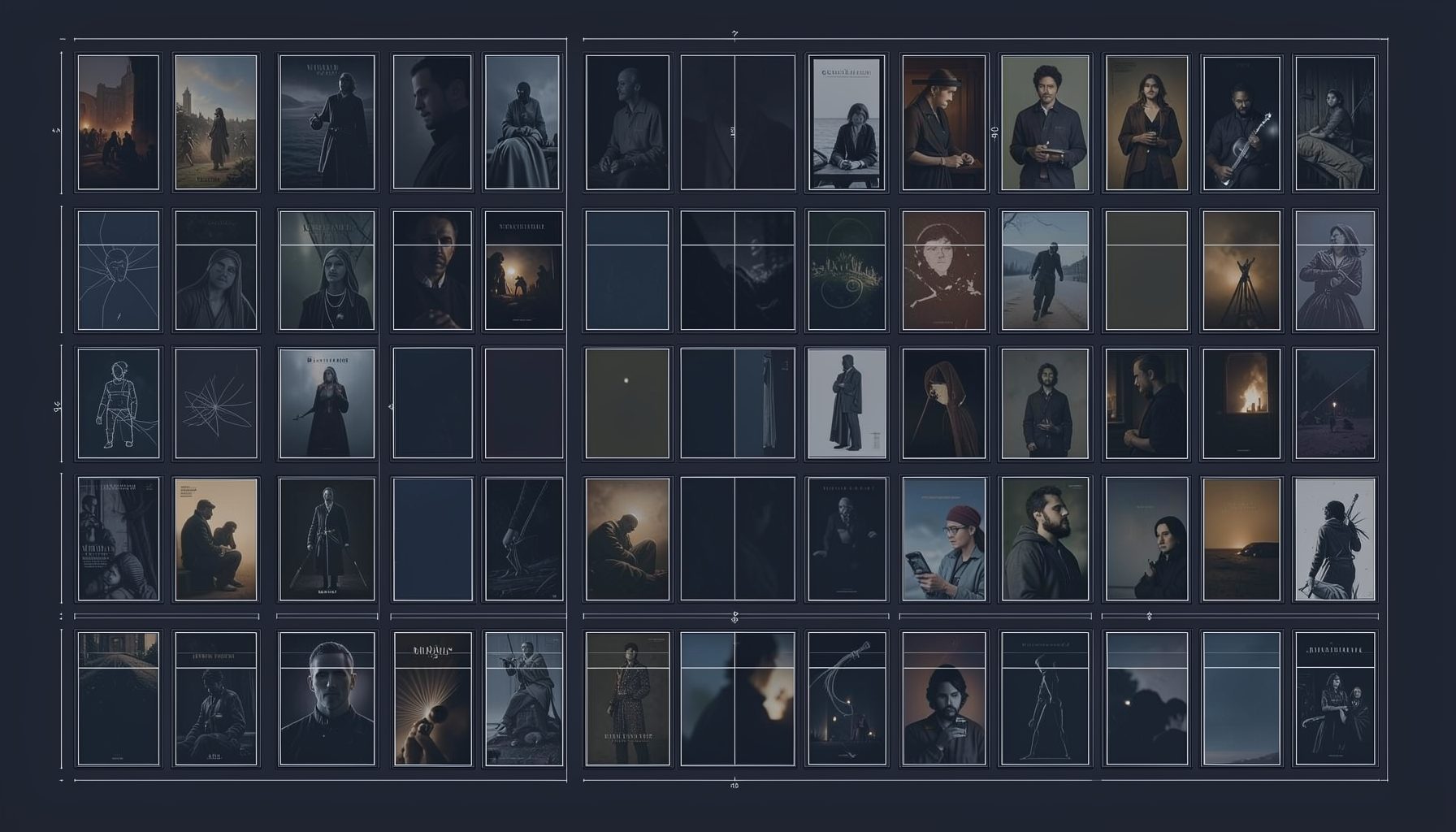
How photo albums tell a story without words
A strong photo album can communicate desire, mood, personality, and tension before a viewer reads a single caption. The images work like scenes in a silent film: each frame adds information, changes the atmosphere, or creates anticipation for what comes next. In adult photography, this visual language can turn a collection of separate pictures into a coherent experience.
This is especially valuable on platforms with large libraries of erotic stories, photo albums, and videos. When users browse by genre, performer, mood, or rating, a well-sequenced album immediately signals what kind of journey it offers. The best collections feel intentional rather than random, giving viewers a reason to continue from the opening image to the final frame.
The first image establishes the promise
The opening photograph functions like a book cover or a film poster. It introduces the subject, setting, and emotional temperature of the album. A relaxed portrait in soft light suggests intimacy, while a bold pose, dramatic contrast, or unusual location creates a more provocative expectation. The image does not need to reveal everything; its role is to establish a visual promise.
Composition makes that promise clearer. A close-up directs attention toward expression and physical detail, while a wider frame gives the environment a larger role. Furniture, windows, mirrors, clothing, and color can all provide context. Even a simple room becomes meaningful when it supports the atmosphere instead of appearing accidentally in the background.
A good cover image also leaves space for discovery. If the first photograph gives away the entire concept, later frames may feel repetitive. Suggestion, partial information, and controlled ambiguity encourage viewers to explore the album’s visual narrative.
Sequencing turns separate images into scenes
The order of photographs determines how viewers interpret them. A typical narrative sequence might begin with introduction, move toward greater confidence or intensity, and finish with a calmer or more reflective image. This progression resembles a story arc, even when nothing explicitly happens between frames.
Transitions are important. A change in camera distance can move the viewer from general context to personal detail. A shift in posture may show growing comfort. Changes in lighting, hairstyle, clothing, or location can mark a new stage of the visual journey. These details act as silent punctuation, separating one moment from another.
Repetition can support continuity, but too much similarity weakens the narrative. Several nearly identical poses may work as a deliberate rhythm, yet an album usually benefits from variation in angle, scale, expression, and setting. The viewer should recognize the same subject while still feeling that the story is progressing.
Body language carries the emotional meaning
Words explain, but posture suggests. A turned shoulder can create distance; direct eye contact can feel inviting and confident; a relaxed pose may communicate trust. Hands, facial expressions, and the direction of the body all influence how a viewer reads the scene. These signals are subtle, but together they create a strong emotional vocabulary.
Eye contact is particularly powerful in intimate photography. Looking directly into the lens can make the image feel personal and immediate, while looking away may suggest thoughtfulness, shyness, or a private moment. Neither approach is automatically better. The choice depends on the mood the album wants to build.
Small changes between frames can show character development. A subject who begins guarded and gradually becomes more open creates a sense of movement. In a romantic album, this may suggest connection. In an amateur set, natural imperfections and spontaneous expressions may create authenticity. In mature or fetish-oriented material, styling and controlled body language can establish a distinct visual identity without written explanation.
Light, color, and setting create the atmosphere
Lighting often communicates genre before the viewer notices the pose. Warm, low light tends to create a private and sensual mood. Bright daylight can make a set feel candid, playful, or documentary-like. Hard shadows introduce drama, while diffuse light creates softness and calm. Consistency across the album helps the images feel connected.
Color can perform a similar function. Neutral tones may keep attention on the subject, while red, black, or deep jewel colors can suggest intensity and theatricality. A carefully chosen accent, such as a vivid garment or colored light, may become a recurring visual motif. When that color appears again later, it reminds viewers of the album’s central mood.
The setting adds another layer of meaning. A bedroom suggests privacy, a hotel room suggests temporary escape, and an outdoor location may imply freedom or adventure. Props should support the story rather than compete with it. A mirror, chair, sheet, or doorway can frame the subject and provide visual continuity when used with purpose.
Visual storytelling across adult genres
Different categories use different forms of silent narrative. A romantic album often emphasizes eye contact, closeness, and gentle transitions. Amateur photography may rely on candid framing, everyday spaces, and natural expressions. Mature-themed work can focus on confidence, presence, and a deliberate sense of self. Group or BDSM-oriented albums may use composition, styling, and spatial relationships to communicate roles and structure.
The key is clarity. Viewers should be able to understand the intended mood without needing a long explanation. This does not mean every image must be literal. A collection can remain artistic or suggestive while still offering a consistent point of view. For audiences exploring a broad visual storytelling archive, that consistency helps an album stand out among thousands of competing galleries.
Community feedback can reveal whether the visual message is working. Ratings and comments often show which photographs create the strongest response, whether the sequence feels complete, and which details viewers remember. On a platform such as ШпилиВили, these signals can help users find albums that match their preferred atmosphere as well as their preferred category.
| Story element | What viewers notice | Effect on the album |
|---|---|---|
| Opening frame | Subject, setting, and mood | Establishes expectations |
| Image order | Changes in pose, distance, and expression | Creates progression |
| Lighting | Warmth, contrast, and shadow | Sets emotional tone |
| Body language | Eye contact, posture, and movement | Communicates personality |
| Repeated details | Colors, props, or locations | Builds continuity |
| Final frame | Resolution, pause, or lingering mood | Gives the sequence a sense of completion |
Editing creates meaning before publication
Storytelling begins during selection. A photographer may take dozens of technically attractive pictures, but an album needs more than individual quality. Each chosen frame should contribute something: context, variation, emotion, transition, or emphasis. Removing a beautiful image can improve the whole sequence if it repeats information already provided elsewhere.
Editing also controls pace. A rapid alternation of close and wide shots can create energy, while longer runs of similar framing produce a slower, more meditative rhythm. The ideal pace depends on the concept, but viewers generally respond better when the sequence feels deliberate rather than mechanically arranged by upload order.
Captions and titles still have a role, even when the images carry most of the story. A concise title can frame the theme, while a short description can provide essential context about the setting or creative intent. The text should support the visual narrative instead of explaining every emotional detail. Leaving room for interpretation is part of the appeal.
Recommendations for a memorable album
- Choose an opening image that establishes mood without revealing the entire concept.
- Arrange photographs as a progression, using changes in distance, posture, and setting.
- Repeat one or two visual motifs to connect separate scenes.
- Remove duplicate poses, even when each image is attractive on its own.
- Use the final frame to leave a clear emotional aftertaste rather than ending abruptly.
A photo album becomes memorable when its images feel connected by intention. Viewers may never describe the lighting, pacing, or composition in technical terms, yet they sense when a collection has direction. That silent structure is what transforms a gallery into an experience.
Explore adult photo albums with attention to their sequence, atmosphere, and visual details. Follow the sets that create a complete mood, share thoughtful feedback, and discover how much a well-arranged collection can communicate without a single spoken line.