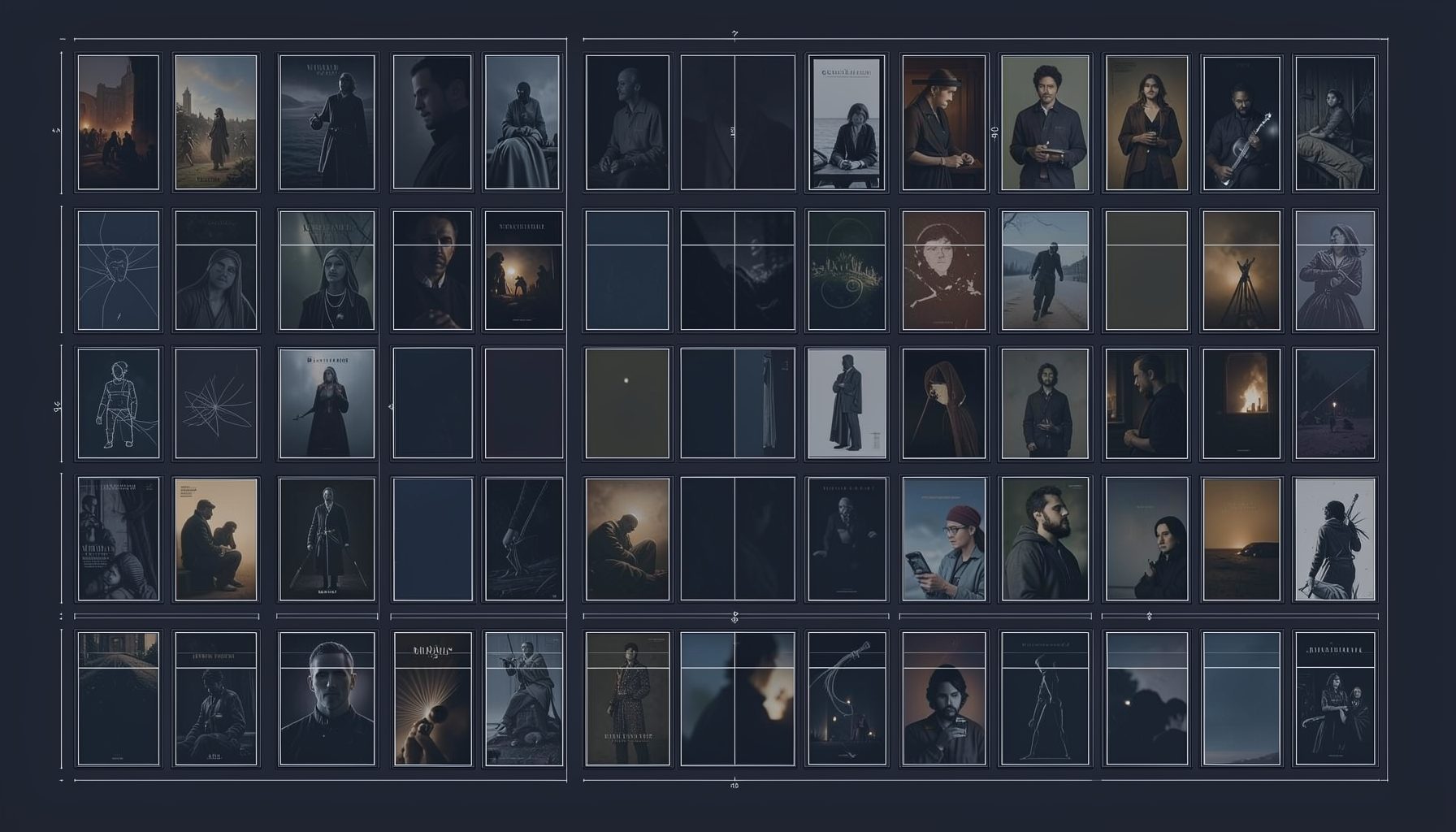
How Lighting Shapes Mood In Erotic Photography
Lighting is one of the strongest emotional tools in erotic photography. Before viewers notice styling, composition, or setting, they respond to brightness, shadow, color, and the direction from which illumination reaches the subject. These choices can make an image feel intimate, confident, mysterious, playful, or distant.
The effect is rarely accidental. A softly lit portrait may suggest trust and tenderness, while a sharply divided frame with deep shadows can create tension and a sense of secrecy. Even a simple change from warm to cool light can alter the perceived atmosphere without changing the pose or location.
For photographers and viewers alike, understanding this visual language makes it easier to recognize why certain images feel inviting and others appear dramatic or emotionally remote. Lighting also helps give a photo album a consistent identity, especially when several scenes or models are presented together.
Light As Emotional Language
Brightness establishes the basic energy of an image. High-key lighting, with broad illumination and limited shadows, often feels open, clean, and approachable. It can support romantic or playful imagery by making facial expressions, fabrics, and gestures easy to read.
Low-key lighting works differently. It relies on selective illumination, darker backgrounds, and stronger contrast. The result may feel private, cinematic, or suspenseful. In adult photography, this approach can preserve a sense of suggestion by leaving parts of the scene to the imagination rather than displaying every detail.
The size of the light source matters as much as its intensity. A large, diffused source wraps around the body and softens transitions on the skin. A small, direct source produces harder edges and more defined shadows, creating a graphic or fashion-oriented appearance.
Color Temperature And Skin Tones
Warm light, often associated with amber, candlelight, or late-afternoon sun, tends to create comfort and sensuality. It can make a room appear more intimate and give skin a golden, healthy quality. Used carefully, warm illumination supports themes of closeness and relaxation.
Cooler blue or neutral light can suggest distance, modernity, or nighttime stillness. It may suit minimalist interiors, urban settings, and more restrained visual narratives. Excessively blue illumination, however, can make skin look pale or lifeless, so photographers often balance it with a warmer accent.
Color contrast can guide attention. A warm subject against a cooler background naturally becomes the visual focus, while matching the colors throughout the frame produces a calmer and more unified mood. Reviewing current visual trends, such as the most popular photo albums, can reveal how different creators use these contrasts to establish a recognizable style.
Direction, Contrast, And Shadows
Front lighting minimizes texture and creates a direct, accessible appearance. It is useful when the photographer wants expressions and styling to remain prominent. Because shadows are reduced, the result can feel polished and straightforward, although it may lack dimensionality if the light is completely flat.
Side lighting emphasizes contours and creates a stronger sense of volume. It can define the line of a shoulder, the folds of clothing, or the shape of a face while leaving part of the frame in shadow. This directional approach often gives an image greater visual tension and a more editorial character.
Backlighting produces a rim of brightness around the subject and can turn the body into a partial silhouette. It is especially effective near windows, curtains, or translucent materials. Exposure must be controlled carefully: too much backlight can erase important details, while a balanced exposure preserves shape and atmosphere.
| Lighting Approach | Emotional Impression | Visual Strength | Common Risk |
|---|---|---|---|
| Soft, diffused light | Tender, calm, inviting | Flattering skin and gentle transitions | Can appear visually flat |
| Warm directional light | Intimate, relaxed, sensual | Adds depth and atmosphere | Skin may become overly orange |
| Cool ambient light | Modern, distant, nocturnal | Creates a distinctive setting | Can make skin look pale |
| Hard side light | Dramatic, confident, editorial | Defines contours and texture | Shadows may distract from expression |
| Backlight and silhouette | Mysterious, private, cinematic | Encourages imagination | Important details may disappear |
Backgrounds And Spatial Atmosphere
Lighting does not affect the subject alone; it also determines how the surrounding space is perceived. A softly illuminated bedroom can feel welcoming, while a narrow beam across a darker room may make the same setting appear secretive or theatrical. Background brightness also controls whether the viewer reads the scene as domestic, studio-based, or abstract.
Practical light sources can add narrative context. Bedside lamps, windows, neon signs, and candles provide believable motivation for the illumination and make the image feel less artificial. They can also create visual layers, with a bright foreground, a darker middle distance, and small points of light behind the subject.
The relationship between subject and background is especially important in photo albums. Consistent lighting helps separate one album from another, while carefully varied illumination can mark changes in mood or storyline. A coherent sequence usually benefits from a limited palette of colors and contrast levels rather than unrelated lighting experiments.
Matching Light To The Intended Mood
Before choosing equipment, photographers can define the emotional quality they want the image to communicate. A romantic scene may benefit from window light, warm diffusion, and moderate contrast. A bold fashion-inspired set may call for harder sources, sharper shadows, and a more controlled background.
Mood should also match the person being photographed. Lighting that makes one subject appear confident may make another look uncomfortable or overly posed. Adjusting the height, angle, and softness of a source can preserve natural expressions and help the subject feel involved in the creative process.
A practical workflow can keep the visual result intentional:
- Use a large diffused source when the desired effect is soft, warm, and approachable.
- Add a gentle rim or backlight to separate the subject from a dark background.
- Mix warm and cool sources sparingly so the color contrast supports the mood.
- Check skin tones under the final exposure rather than relying only on the camera display.
- Take test frames from several angles before committing to the full session.
Consent, Context, And Viewer Perception
Lighting can imply vulnerability, authority, mystery, or openness, so its use should be considered alongside consent and communication. Dramatic shadows should enhance the planned aesthetic rather than conceal details the subject expected to remain visible. A clear discussion of boundaries and intended presentation is part of responsible image-making.
Viewer interpretation is influenced by culture, personal experience, and genre conventions. A dark frame may feel sophisticated to one audience and uncomfortable to another. Ratings, comments, and community feedback can help reveal how an audience responds, but they should be treated as context rather than an absolute measure of artistic quality.
For adult platforms serving varied interests, visual clarity and mood can coexist. Strong lighting design does not require excessive exposure; it can communicate attraction through posture, color, space, and implication. The most effective images usually make their atmosphere evident while leaving room for individual interpretation.
Lighting turns a technically adequate photograph into an emotionally specific one. By controlling softness, color, direction, and contrast, photographers can shape how a scene is felt before its details are fully examined. Explore different albums with these visual elements in mind, compare the emotional effect of each approach, and use that observation to build a more deliberate personal style.