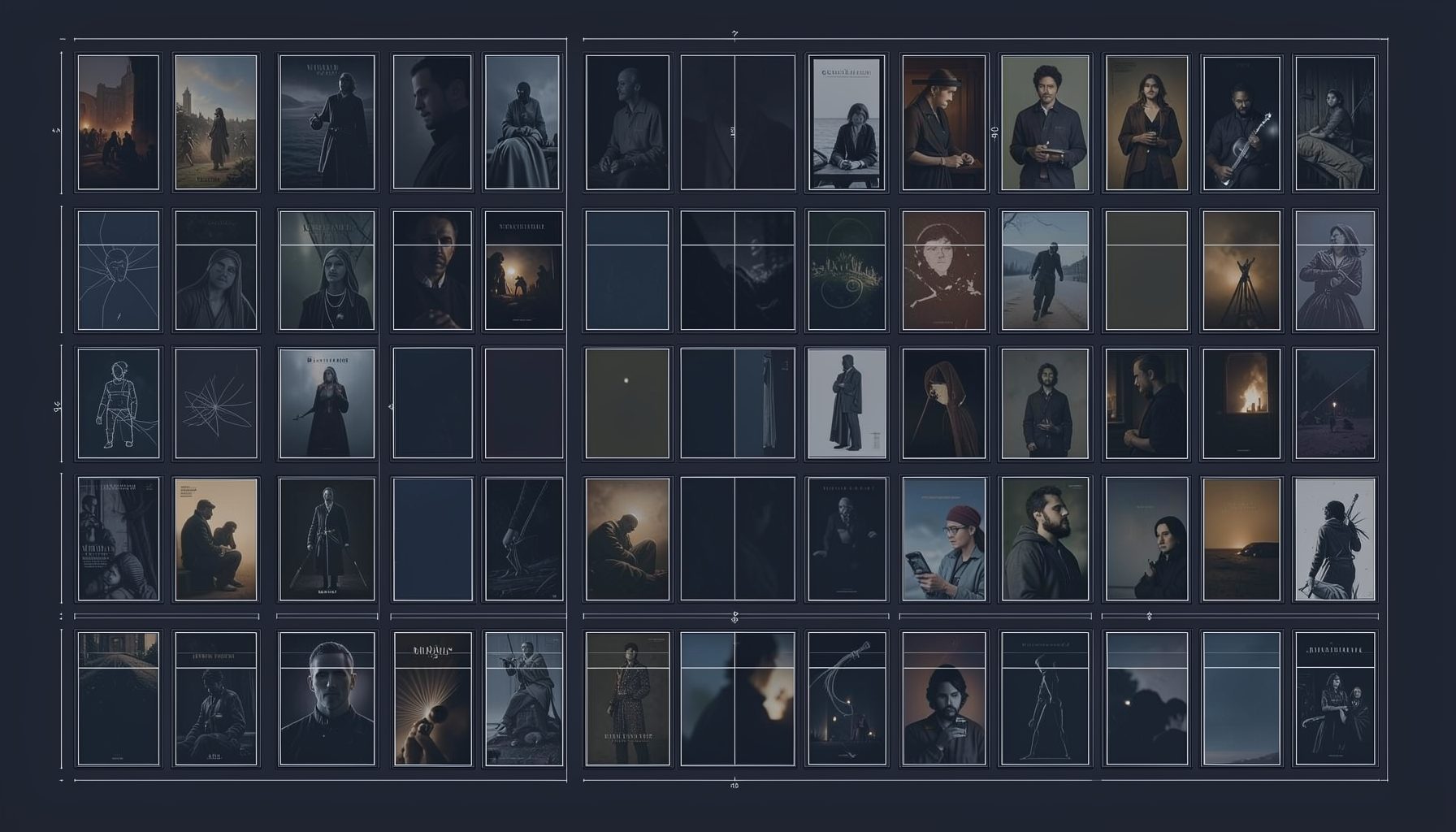
The power of the amateur aesthetic in modern photoshoots
The amateur aesthetic in photography trades polish for presence. Where glossy studio imagery can feel engineered to the millimetre, an unpolished frame whispers something closer to memory. A glance held a beat too long, a wrinkle in the sheets, a sleeve pushed up mid-thought — these textures hook viewers far longer than any perfect lighting setup ever could.
Across visual storytelling for adults, this look mirrors a wider hunger for authenticity in every media genre. Audiences tired of stock-image glamour now respond to the warmth of real rooms, daylight leaking through cheap curtains, and bodies that look like bodies rather than brand mascots. That hunger has reshaped budgets, casting choices, and where cameras get set up week to week.
For viewers in places as different as Brisbane and Perth, the look slots neatly into how local culture already reads images. Coastal light, Bondi terraces, Brunswick beds share a visual grammar with the intimate peep-into-the-bedroom framing the style favours.
Raw light and imperfect framing
Polished photographs often hide the very thing that makes an image breathe: the accident of light. A rented Brunswick loft with one north-facing window throws harder cheekbone shadows than any softbox. Photographers chasing the amateur aesthetic expose for the highlights rather than the ceiling and let stray reflections fall where they want.
Professional shoots obsess over straight verticals, balanced symmetry, and subjects placed dead-centre. The amateur look lets a curtain pole cut through a corner or a foot dangle off the edge of the frame. The brain reads those small freedoms as honesty, the way a friend's phone snapshot reads more truthfully than a staged wedding photo.
The parallel runs through erotic stills too, where the visual appeal of black-and-white erotic photography has long traded colour precision for contrast, shadow, and grain. Both styles ask viewers to fill in the rest with their own imagination, which is where much of the pleasure of the image actually lives.
Real bodies, real spaces
The second trick of the look is its refusal to dress subjects as models. Real skin carries freckles, goosebumps, tan lines from a long St Kilda summer, and small scars no casting director thinks to ask about. Once the camera stops treating these as flaws, the image carries weight no amount of retouching adds back.
Spaces matter just as much as skin. A Bondi kitchen with dishes on the bench, a Brisbane share house with bicycles chained to the door, or a Perth rental with mismatched cushions give the eye somewhere to land beyond the central subject. Professional shoots often strip that context away, mistaking emptiness for elegance.
A cramped flat with laundry on the line tells a faster, more specific story than a generic infinity curve. Viewers instinctively trust environments that show wear, the way they trust a friend's kitchen over a showroom floor.
The illusion of discovery
The deepest trick is how the look frames the act of looking itself. Instead of confronting the viewer with a posed stare, the subject is usually caught mid-thought — turning away, glancing at a phone, laughing at something off-camera. The viewer becomes a witness rather than a customer, dropping into the room as if by accident.
That sense of accidental access is potent on platforms organised around community feedback and ratings. A casual image with a coffee mug in the foreground reads as a leaked preview rather than a marketing tool, and the brain responds with far more curiosity than the same composition lit with three strobes.
In Australia, where the adult industry operates under the R18+ classification and ACMA's content rules, this understated approach also offers a quieter thrill. Nothing is sold aggressively — the image just appears, like a private album left open on the kitchen table.
When studio polish works against the story
Studio craft still has its place, but in intimate content it can smother the emotion it's trying to capture. A perfectly lit eye with a catchlight held in place by a circular reflector looks correct, not alive. The gaze slides off it the way it slides off a corporate headshot at a Sydney co-working event.
Cost pressures tell the same story. Studios in Surry Hills run into the hundreds for an afternoon, while an apartment shoot costs a fraction. Economic incentive now lines up with aesthetic incentive, which is rare and worth noting. Production budgets have collapsed in favour of natural locations, found décor, and gentle mess that costs nothing and gives back plenty.
The honest caveat is that careless work drifts toward poor focus, blown highlights, and shaky phone cameras. The aesthetic only lands when fundamentals stay clean: decent exposure, intentional framing, the discipline to crop later. Careless images lack the texture of the style; they just look messy.
The cultural drift toward the genuine
Audiences across Sydney, Adelaide, and smaller regional centres have spent a decade training themselves to spot manipulation in imagery. Advertising, influencer culture, and AI-generated bodies have sharpened that suspicion. The amateur aesthetic benefits by leaning the other way, promising imperfections that feel earned.
The shift shows up across adult platforms too. Genre categories built around amateurs, real couples, and home-shot content now attract engagement rates that rival heavily produced alternatives. The content reads as closer to lived experience, which is exactly the flavour a fatigued viewer is searching for.
A generational layer sits beneath it. Viewers raised on phone footage rather than magazine layouts arrive with different expectations. Grain, low resolution, shaky frames aren't bugs but the texture they associate with intimacy. A studio-perfect shot can feel as alien to them as a corporate portrait does to a zine-maker.
Approaches for capturing the look
- Shoot in available daylight first, even when it means rescheduling around the weather.
- Choose locations with visible use: mugs out, half-full bookshelves, bedding that looks slept in.
- Direct subjects into small actions rather than poses — tying a shoe, pouring tea, laughing at a message.
- Keep lenses at 35mm or wider to preserve the room around the figure.
- Resist over-retouching; aim for less rather than more in post-production.
- Mix a few fixed frames with handheld shots to keep the eye relaxed across a set.
Viewers who enjoy this aesthetic often want a steady supply of it to scroll through, which is where a curated platform like fapellolive collects user-submitted material organised around real environments and amateur producers. Curating against polish is what separates casual viewing from hours of attentive reading.